Understand
Tonic postural system, multisensory integration and neurophysiological foundations of postural control.

INTERNATIONAL PROGRAM · 2027 COHORT
Understand postural control. Integrate systems. Transform clinical practice.
An interdisciplinary, practical and people-centered clinical program for health professionals worldwide.
✓ Clinical reasoning grounded in neurophysiology and scientific evidence.
INFORMATION TO SAVE AND SHARE
Download the 2027 Annual Course brochure and share it with colleagues. The PDF is in Spanish.
EARLY REGISTRATION BENEFIT
GIFT: online access to the course Foundations of Postural Control.
AN INTEGRATIVE PERSPECTIVE
Posture emerges from the continuous integration of visual, vestibular, somatosensory and proprioceptive information. Assessing it requires clinical reasoning, neurophysiological knowledge and dialogue across professions.
The program clearly distinguishes established foundations, available evidence and procedures that still involve controversy or limitations. Its goal is to train professionals to think critically rather than apply automatic protocols.
WHAT DOES THE PROGRAM COVER?
The course explores how the nervous system integrates sensory information to orient the body and regulate stability. Building on these foundations, it offers an organized clinical assessment and the reasoned use of intervention resources.
Clinical posturology adapts to and complements your current therapeutic tools by adding a specific perspective on postural control that enriches assessment, clinical reasoning and patient follow-up.
Tonic postural system, multisensory integration and neurophysiological foundations of postural control.
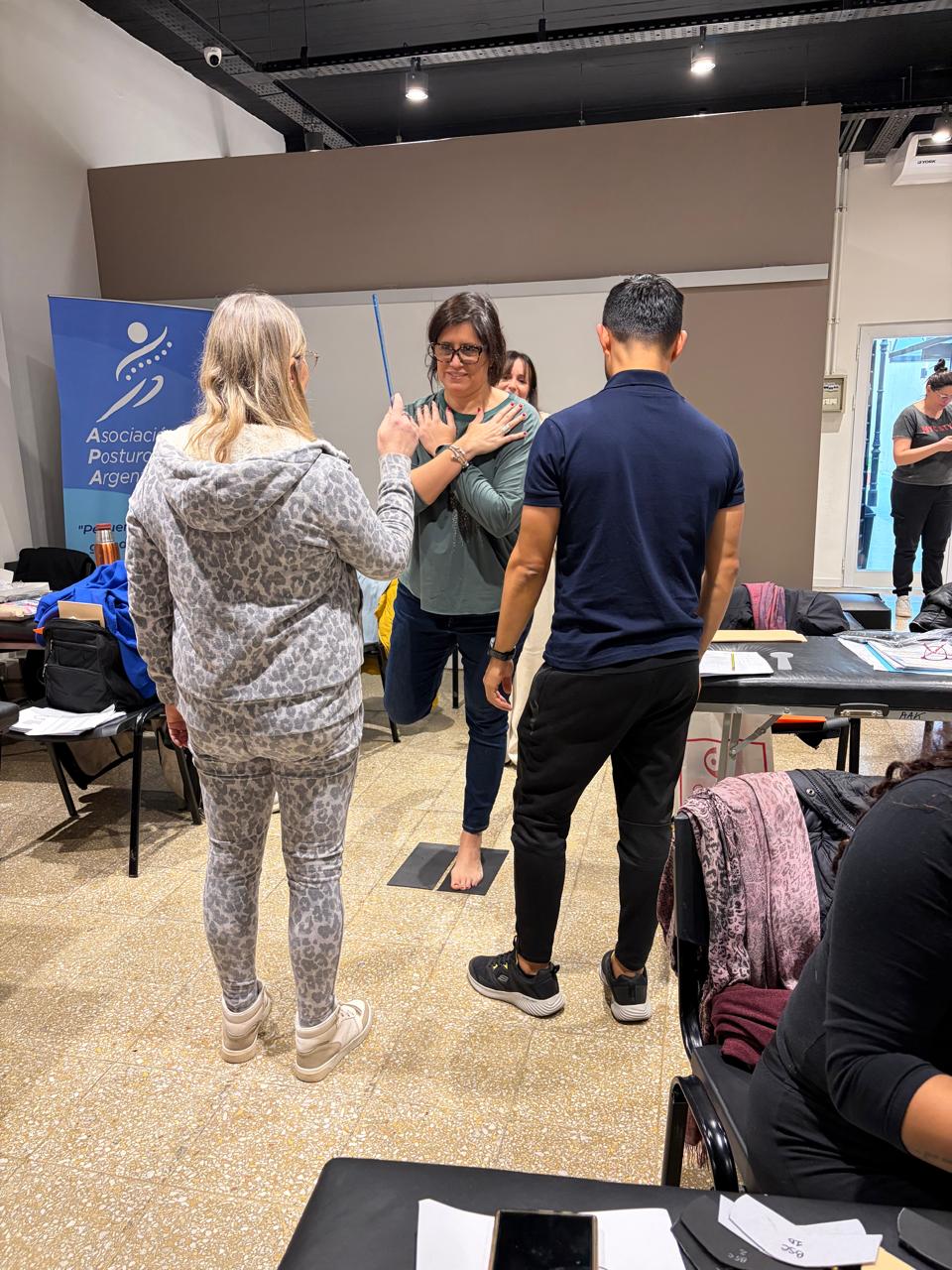
History-taking, observation, clinical tests, stabilometry and analysis of potential dysregulating factors.
Postural dysfunction and postural deficiency syndrome through a critical, contextualized and interdisciplinary perspective.
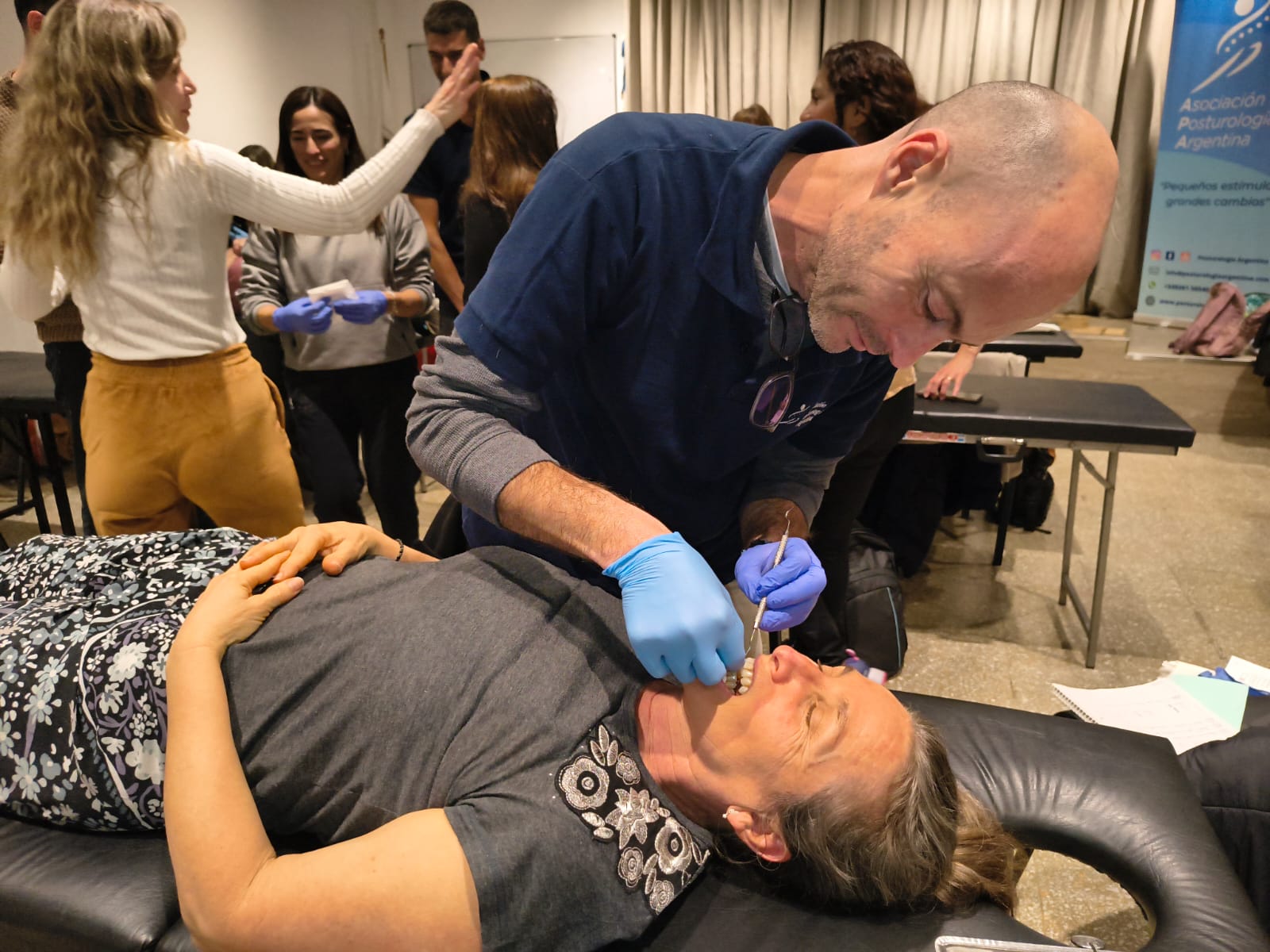
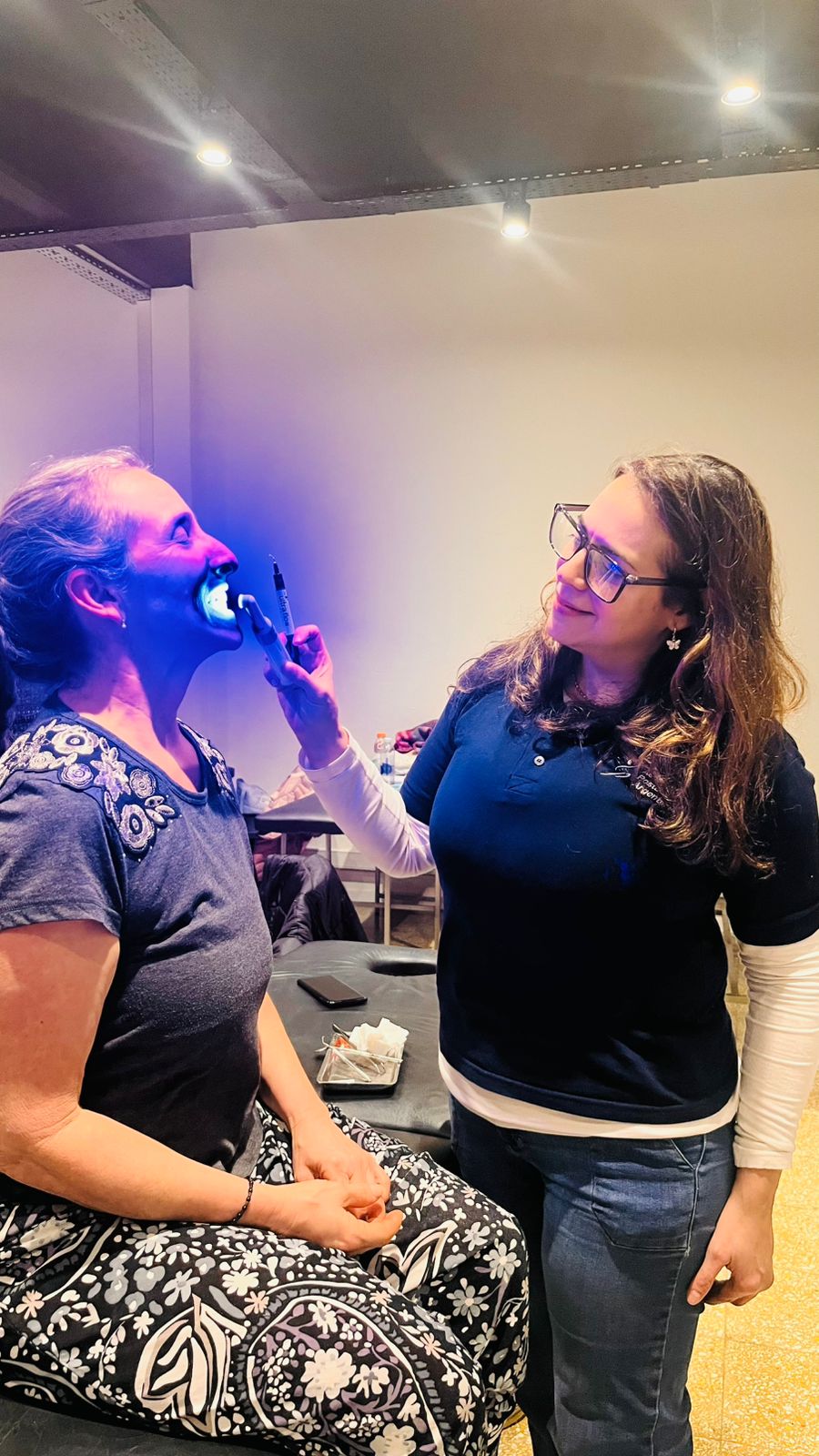
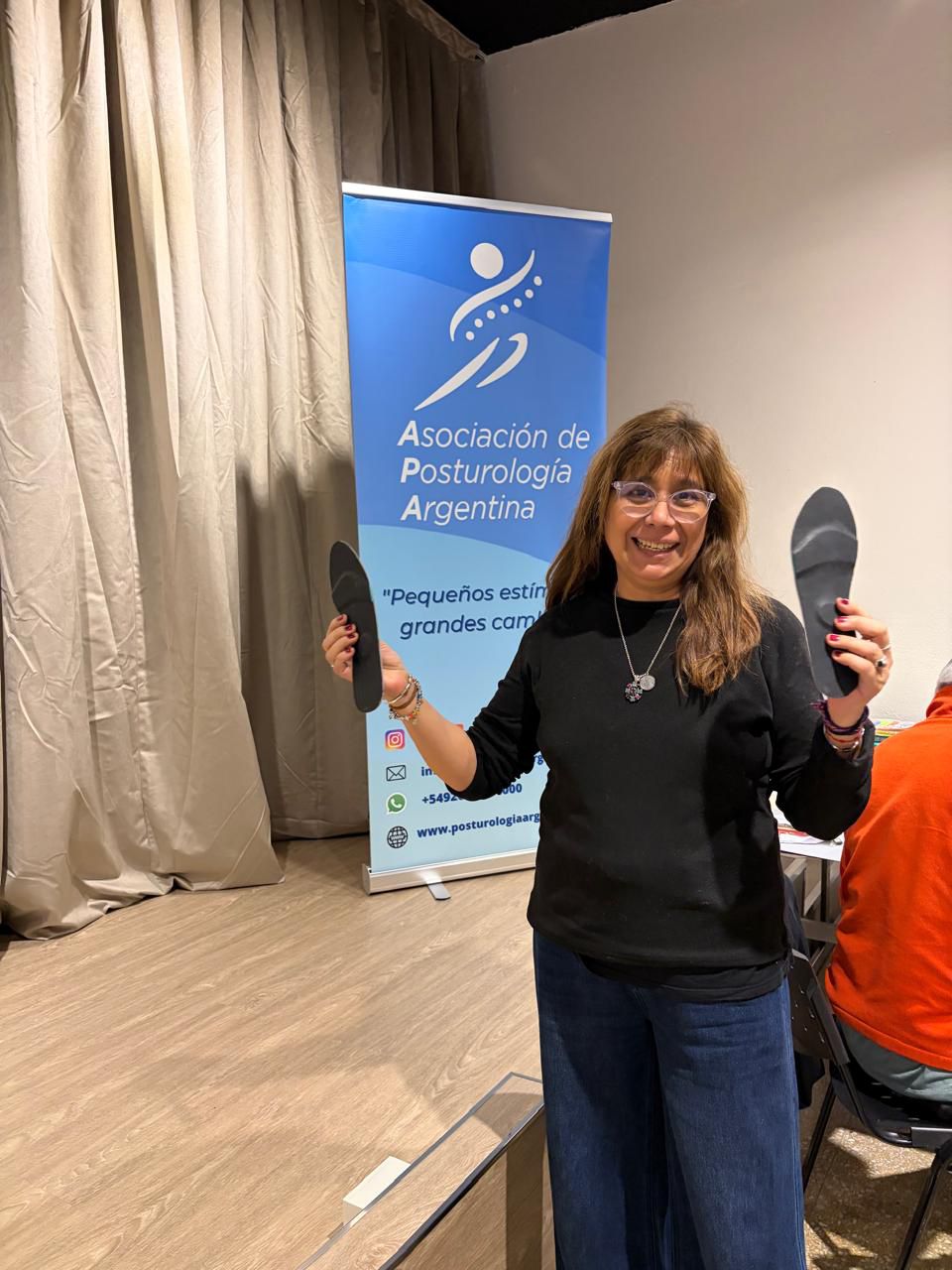
Neurosensory insoles, active prisms and oral neurosensory stimuli: foundations, indications, limitations and clinical follow-up.
WHO IS IT FOR?
A postgraduate course exclusively for university-qualified health professionals.
Expand functional assessment and integrate postural control into therapeutic reasoning.
Identify relevant clinical relationships and criteria for interdisciplinary assessment or referral.
Consider the stomatognathic system within a comprehensive postural assessment, avoiding simplistic causal claims.
Understand how visual information contributes to orientation and postural stability.
Relate plantar information to postural regulation and collaborative work with other disciplines.
Connect postural control with function, activity and each person’s participation.
Develop a shared language for understanding postural control and collaborating in interdisciplinary teams.
LEARNING PATH
A structured path connecting scientific foundations, assessment, interpretation, intervention and follow-up.
Neurophysiological foundations of postural control and multisensory organization.
The roles of visual, vestibular, somatosensory, proprioceptive, plantar and stomatognathic information.
History-taking, observation, clinical tests, stabilometry and contextualized interpretation.
Critical analysis of the proposed frameworks for postural deficiency or dysfunction syndrome.
Foundations, indications and limitations of neurosensory insoles, active prisms and oral neurosensory stimuli.
Building hypotheses, interdisciplinary decisions, stimulus dosage and reassessment.
LEARNING OUTCOMES
Assess postural control through an organized clinical sequence.
Integrate visual, vestibular, proprioceptive, plantar and stomatognathic information.
Identify potential dysregulating factors without automatically assigning causality.
Interpret clinical and stabilometric findings within the patient’s context.
Develop working hypotheses and interdisciplinary therapeutic strategies.
Communicate findings and determine when consultation or referral to another profession is appropriate.
BLENDED LEARNING FORMAT
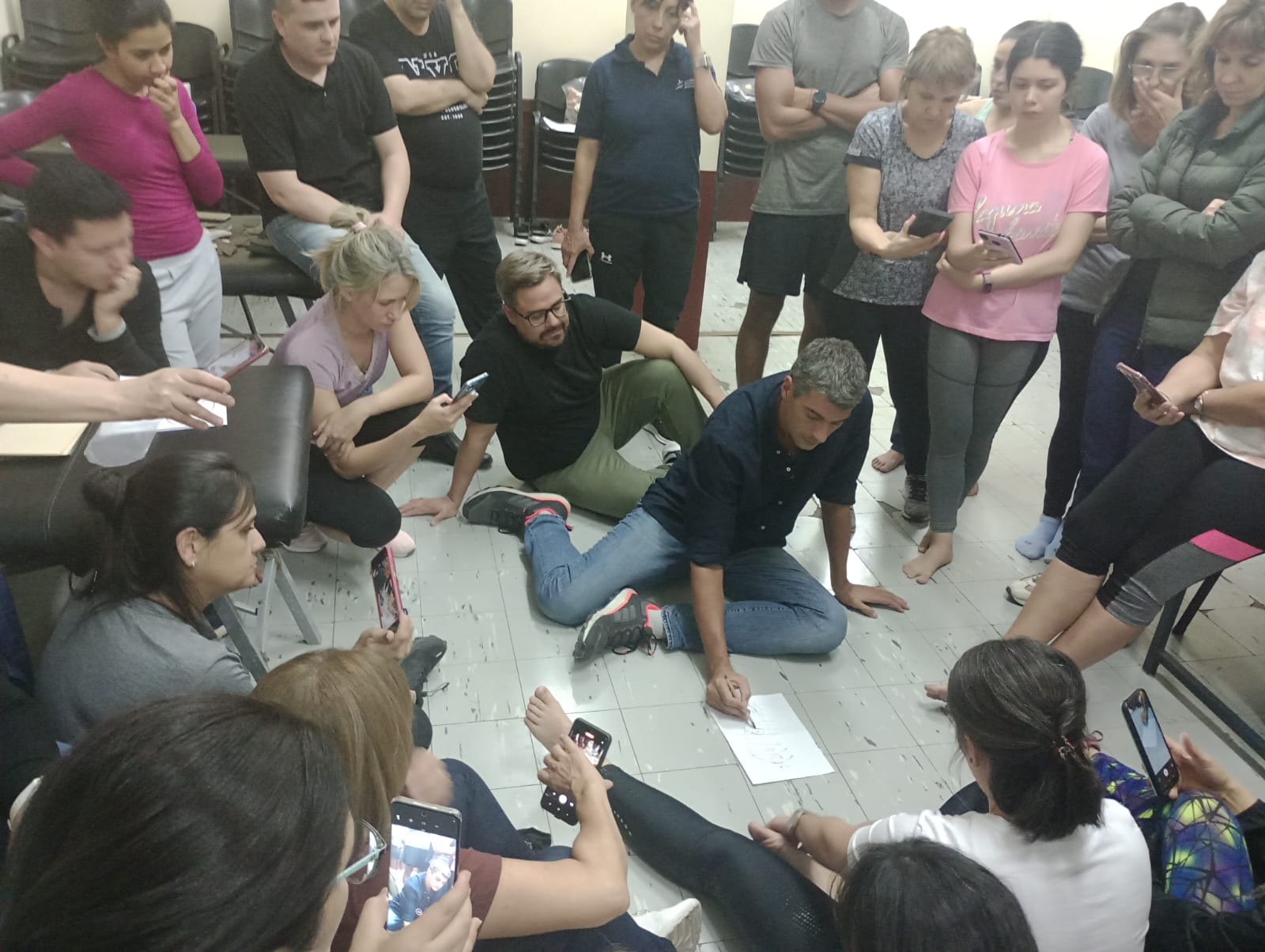
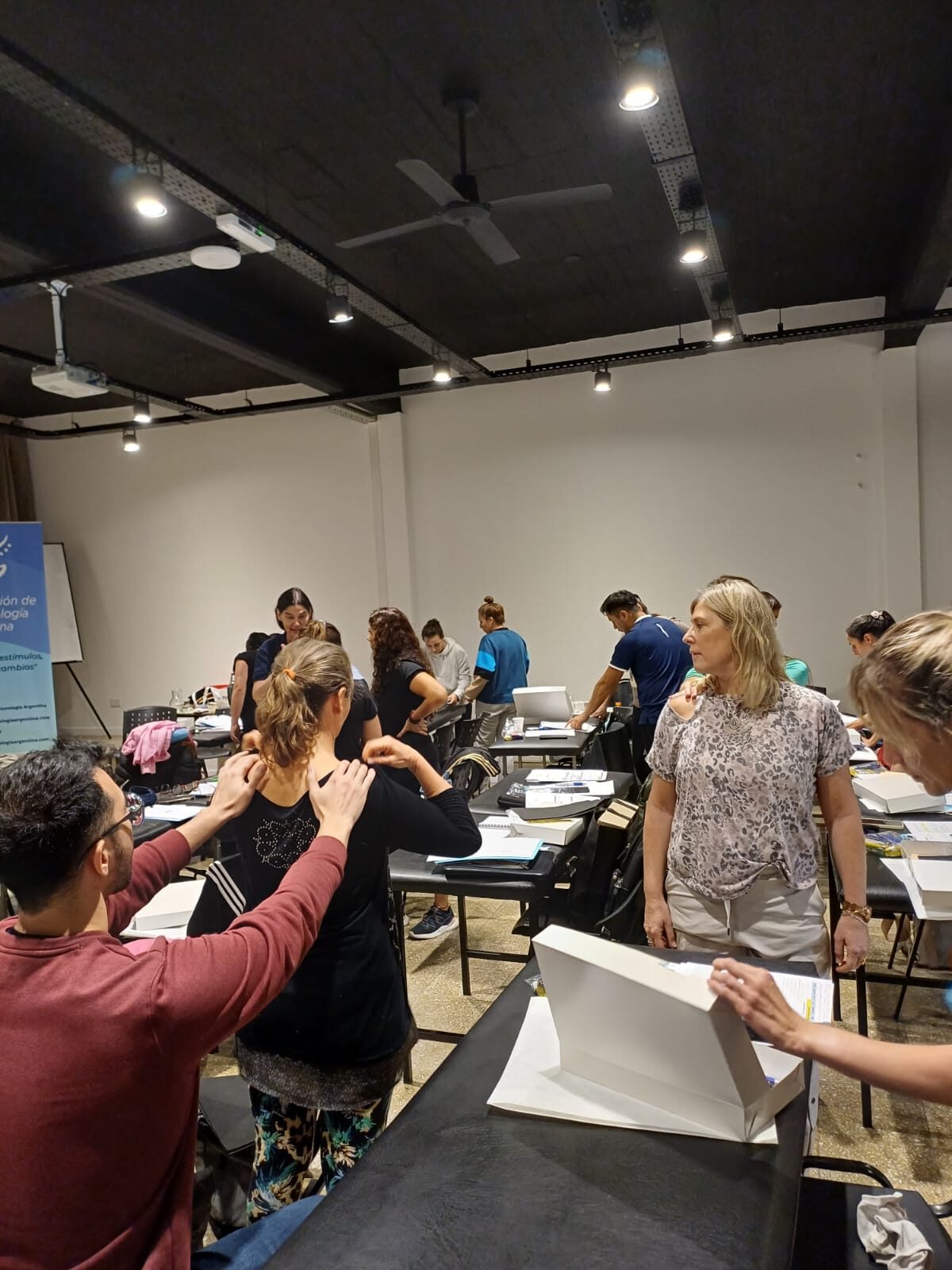
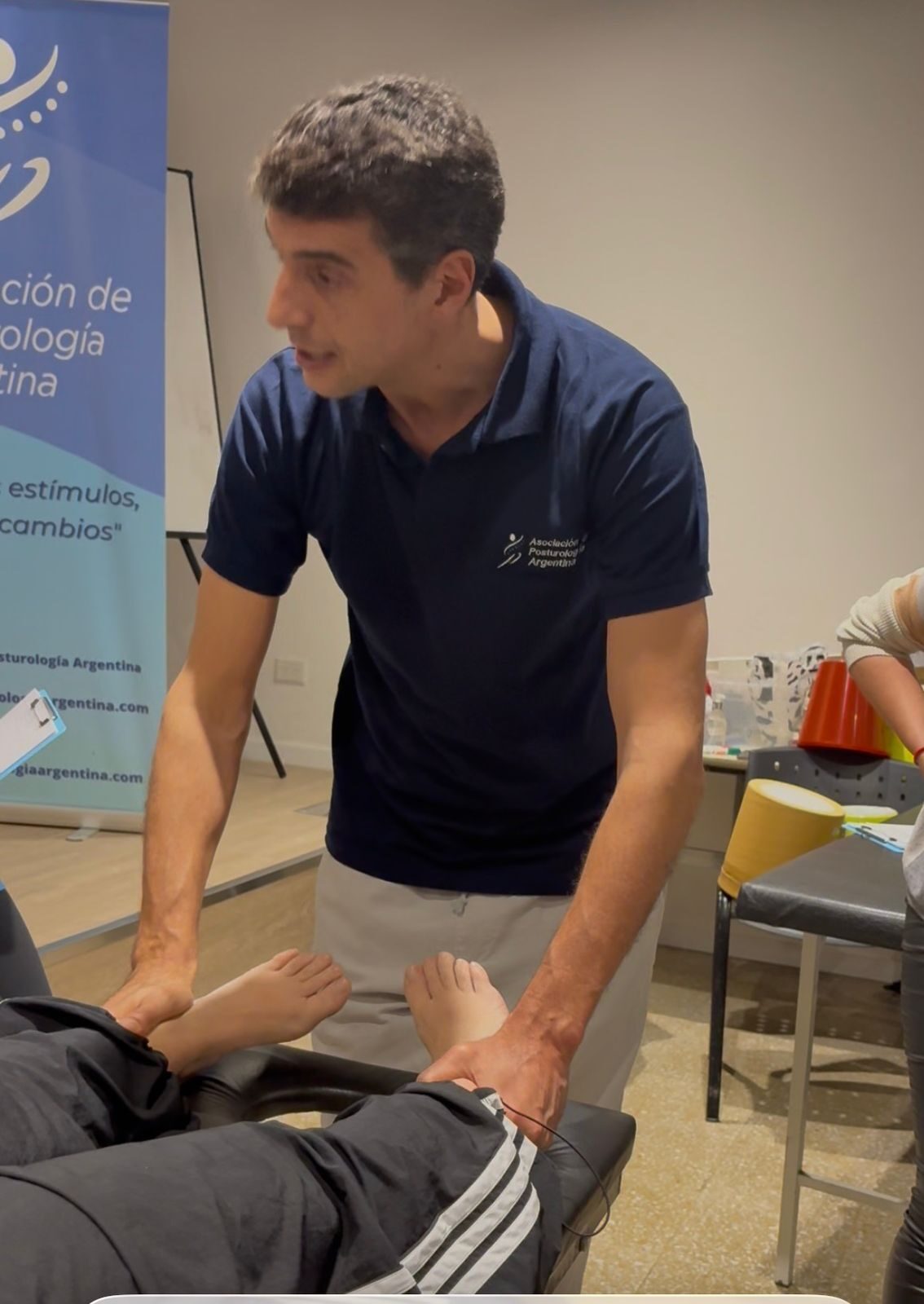
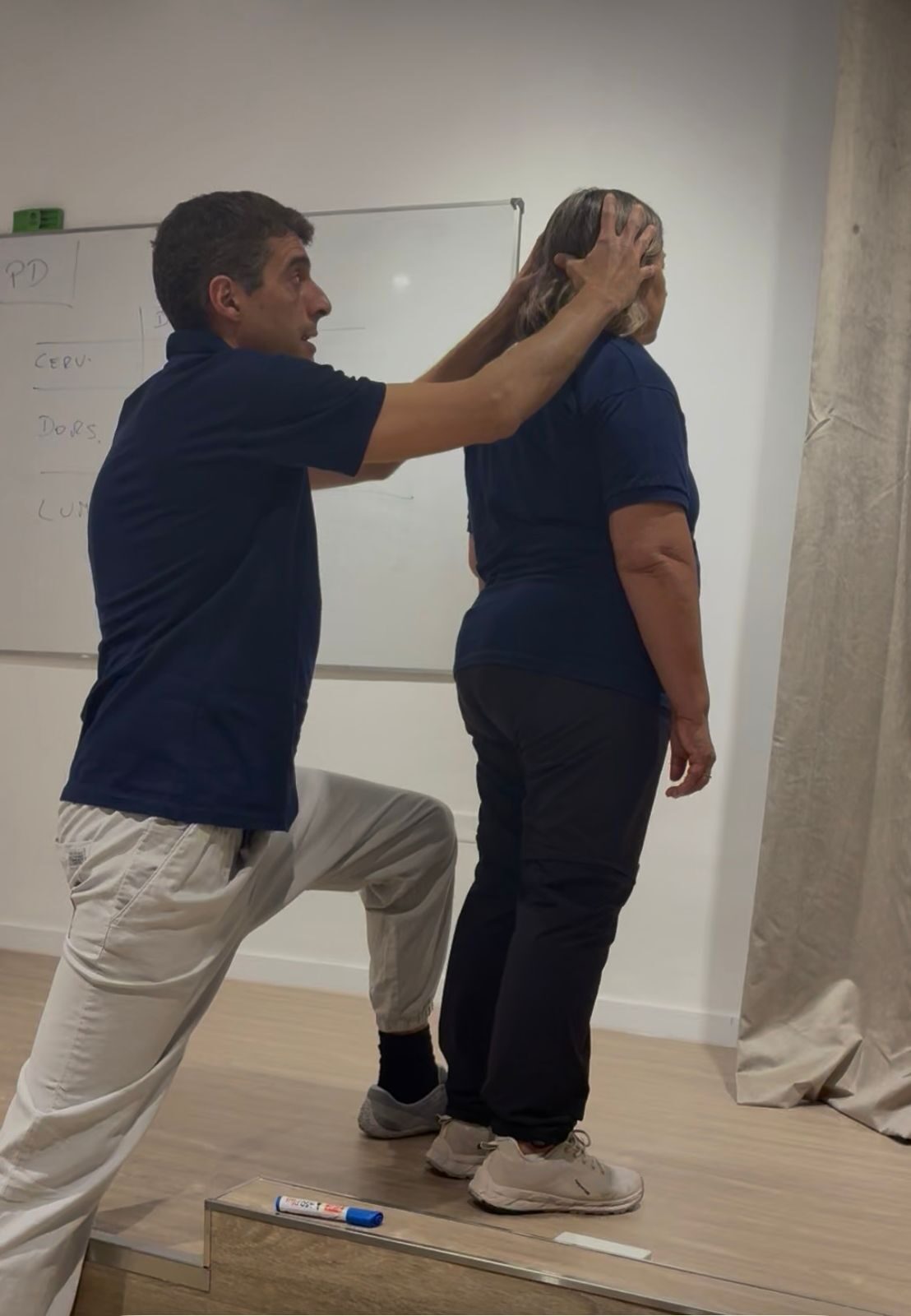
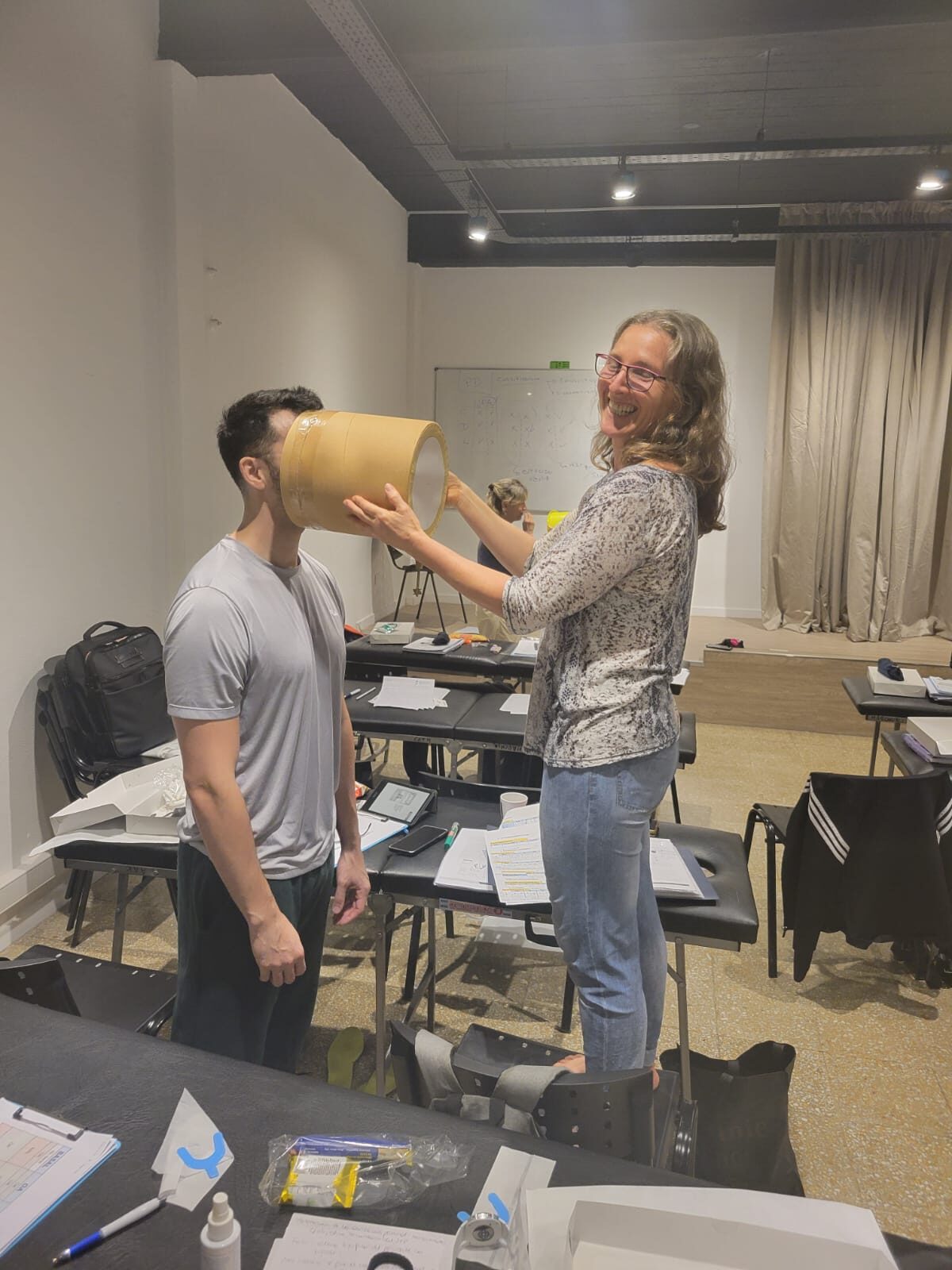
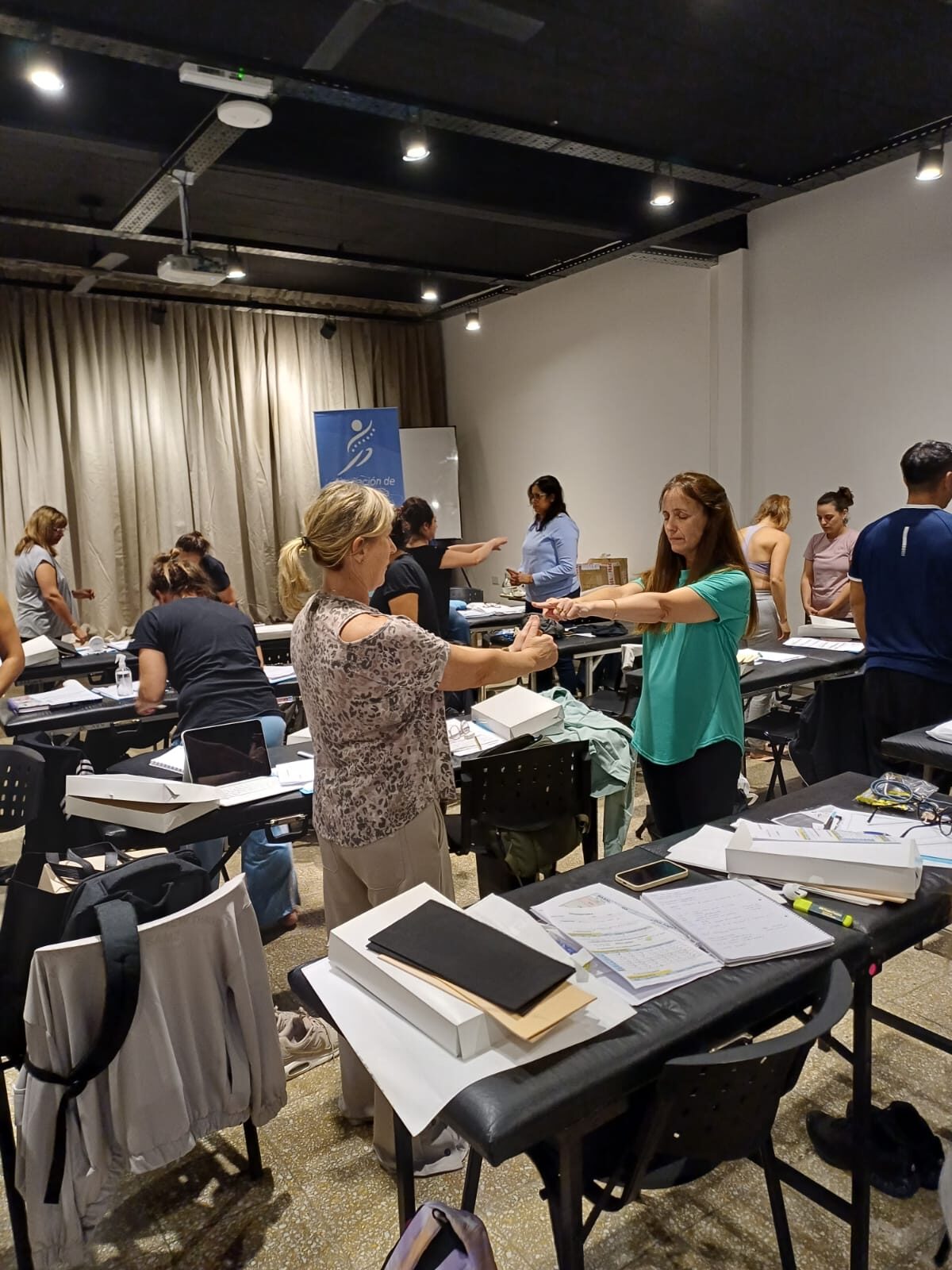
Ten days of practical work in Buenos Aires.
Live classes are recorded and available for later review.
Content available for flexible, self-paced study.
Mandatory and subject to final approval.
The virtual classroom remains open to you. From the start of the course, you can access recordings and materials for 24 months, revisit classes and deepen your learning at your own pace.
Ongoing support from the teaching team. During the course, the WhatsApp group provides a space for questions and shared follow-up of clinical cases.
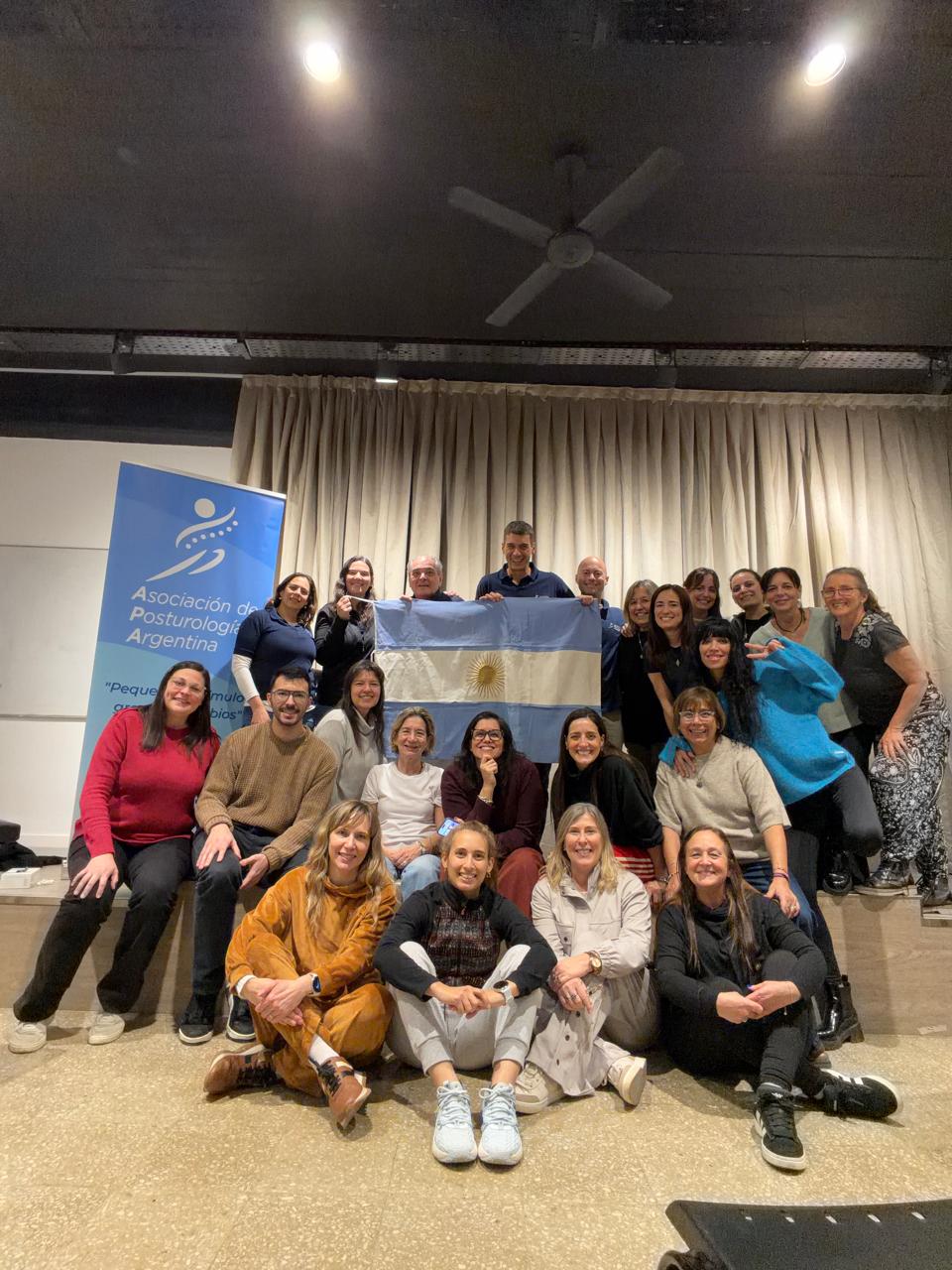
THE APA EXPERIENCE
LEAD INSTRUCTOR
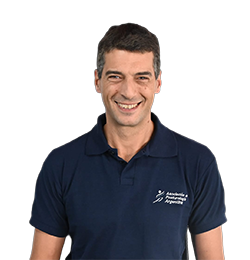
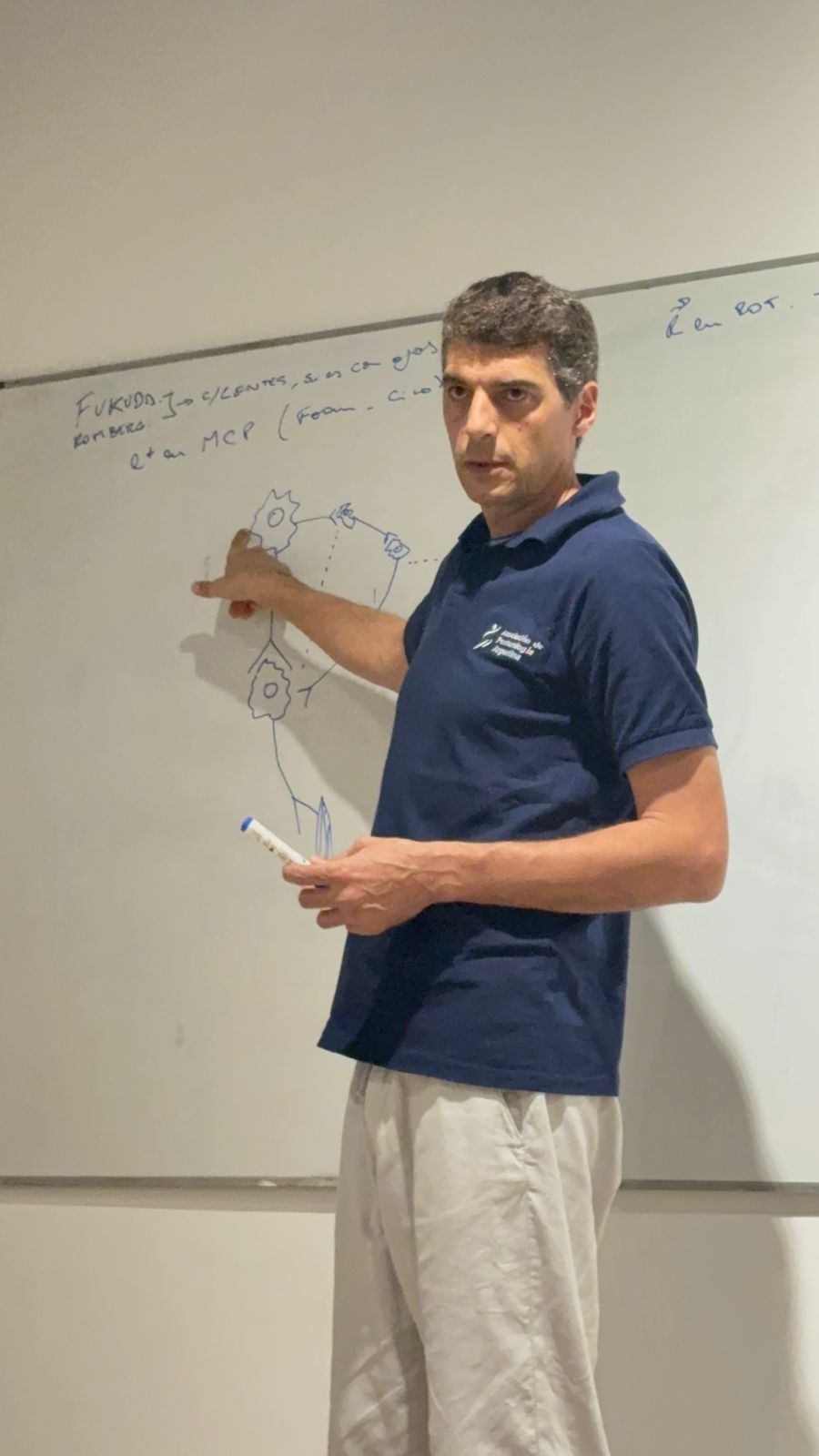
Santiago Crucci Vázquez holds a degree in Kinesiology and Physiotherapy from the University of Buenos Aires, where he graduated in 2000. He completed his residency and served as Chief Resident at Hospital General de Agudos Carlos G. Durand between 2001 and 2005.
He currently lives and practices in Barcelona, Spain. He is an honorary founder of the Argentine Posturology Association and holds certified training in Global Postural Re-education, vestibular rehabilitation and clinical posturology.
He has extensive teaching experience at university and postgraduate level. He is Associate Professor of Physiotherapy at the University of Lleida and Associate Professor in the Physiotherapy program at UB-UdG, EUSES. He has also served as a guest lecturer at leading European institutions, including the Villeneuve School of Podoposturology, the University of Barcelona, Camilo José Cela University in Madrid and the International University of Catalonia.
He is a member of the Committee for Standardization in Clinical Stabilometry in Paris, France, and belongs to the Posture Lab research group.
APA TEACHING TEAM
INTERNATIONAL PARTICIPATION
Online meeting times are stated in Buenos Aires time and all sessions are recorded. Mandatory in-person sessions take place in the City of Buenos Aires.
International inquiries are handled through the same institutional email and WhatsApp. Payments from abroad are made through a PayPal link sent by the Administrative Office.
TUITION AND BENEFITS
Your place is reserved with a USD 200 deposit, included in the total tuition. A payment plan can be arranged; the balance must be paid in full by the start of the second in-person meeting in July.
AVAILABLE OPTIONS
CERTIFICATION
Upon completion, participants who attended mandatory in-person seminars 1 and 2 and passed both practical assignments will receive a printed certificate of successful completion.
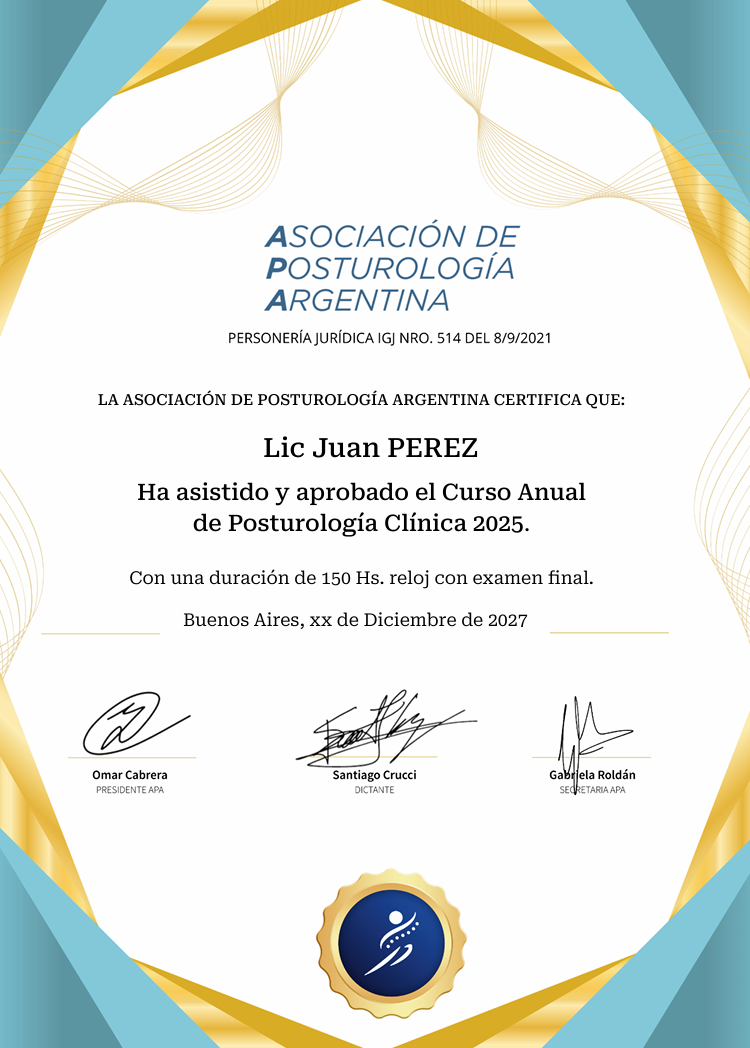 View certificate sample ↗
FREQUENTLY ASKED QUESTIONS
University graduates in Kinesiology and related fields, Dentistry, Medicine, Optics or Optometry, university-level Podiatry, Educational Psychology, Speech Therapy and other health professions. Students are not eligible.
EXPERIENCE APA
A brief and authentic look at the classes, clinical practice, professional connections and the joy of completing this program.
It plays only when you choose to watch it. It includes original instrumental music, authentic sound from the final celebration, and optional captions in Spanish, English and Portuguese.A PERSONAL INVITATION
In under a minute, discover how this program combines online content, live sessions and in-person modules to create a truly interdisciplinary clinical learning experience.
Turn on CC in the player to view captions in the site language.THE NEXT STEP IN YOUR CLINICAL EDUCATION
Complete the form to receive information. Pre-registration does not automatically reserve a place.
The Asociación de Posturología Clínica Argentina, Argentine tax ID 30-71736997-8, located at Arias 1671, 1st floor, Unit B, Buenos Aires, will process the information provided solely to respond to inquiries, assess admission requirements, manage pre-registrations and communicate course-related information. Data subjects may request access, updating, correction or deletion by writing to apaposturologiaargentina@gmail.com, in accordance with Argentine Law 25.326.
Pre-registration does not constitute final enrollment or automatically reserve a place. Confirmation requires verification of the professional degree and proof of the deposit payment. Failure to meet agreed payment commitments will result in suspension of access to the group and virtual classroom from the date of non-payment. Absence from in-person activities does not entitle the participant to a refund.